Did they eat horses in WW1?
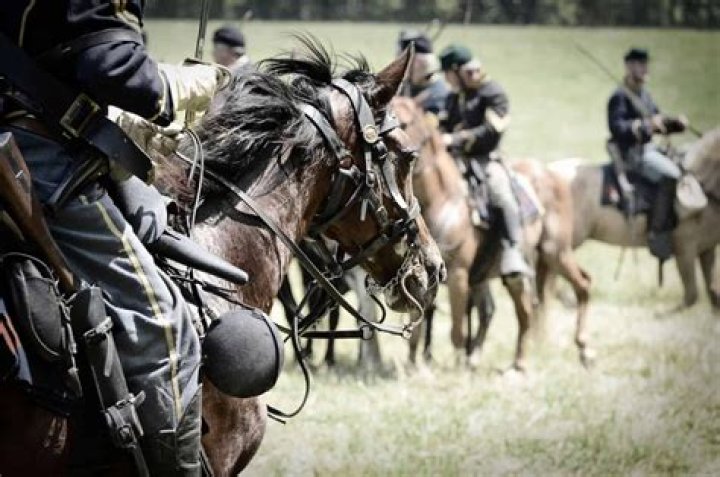
It was certainly supplied in large quantities at the end of the war. My fiancee's Grandfather, Edward Southcott Smith, was a driver in the RFA. He was very fond of the 6 horses he looked after and became distraught to learn they were slaughtered for meat at the end of hostilities.
What did they feed the horses in WW1?
The horses were always hungry and where often seen trying to eat wagon wheels. When grain was in short supply, the horses and mules had to be fed on sawdust cake.How many horses were killed at the end of WW1?
Eight million horses, donkeys and mules died in World War 1 (WWI), three-quarters of them from the extreme conditions they worked in.What happened to the horses at the end of WW1?
Those not fit for further use (2,853) were destroyed. Their manes and tails were shorn as horse hair could be sold and their shoes removed. The remainder were sold to the British Army, the Indian Army and the Finnish Army. Six hundred (600) mares were sent to England for breeding purposes.What happened to the horses in WW1?
Conditions were severe for horses at the front; they were killed by artillery fire, suffered from skin disorders, and were injured by poison gas. Hundreds of thousands of horses died, and many more were treated at veterinary hospitals and sent back to the front.Cavalry in WW1 - Between Tradition and Machine Gun Fire I THE GREAT WAR Special
What did dogs do in WW1?
Dogs played an important military role for most European armies during World War I, serving in a variety of tasks. Dogs hauled machine gun and supply carts. They also served as messengers, often delivering their missives under a hail of fire.What is a shoeing smith?
The Oxford English Dictionary definition of “farrier” is: One who shoes horses; a shoeing-smith; hence, also one who treats the diseases of horses.How many horse died in WW2?
13. How many horses, donkeys and mules died in WW2? Unlike the 8 million figure for WW1, there is no definitive answer to the question of how many equines died in WW2. Estimates vary between 2-5 million.How many animals died in WW1 altogether?
They are the truly forgotten dead. Sixteen million animals “served” in the first world war – and the RSPCA estimates that 484,143 horses, mules, camels and bullocks were killed in British service between 1914 and 1918.Why are horses no longer used in war?
The development of powerful bows and arrows that could pierce horse armor, as well as the introduction of guns, meant that horses were no longer invincible. Even so, as recently as a hundred years ago, millions of horses were still used in battle.Were any horses hurt in War Horse?
According to "War Horse" director Steven Spielberg, "Four million horses were killed in World War I and not just from shelling or gunfire, but from malnutrition and exposure." Spielberg depicts that brutal reality in his new film, but despite the harrowing situations they face, the equine heroes of Spielberg's latest ...What happened to the animals in World War 1?
Animal lost in warIt is estimated that 484,143 British horses, mules, camels and bullocks died between 1914 and 1918. And many hundreds of dogs, carrier pigeons and other animals also died on various fronts. Many of our inspectors lost their lives in their attempts to save animals forced to participate in war.
Did war horses fight?
Destriers were fearless horses used in battleThey were not slow-moving draft horses. The horses typically began their training before they were two years old by their rider. The training produced a fearless horse, prepared to fight, and kill humans and other horses alike.