How does Eczema affect the immune system?
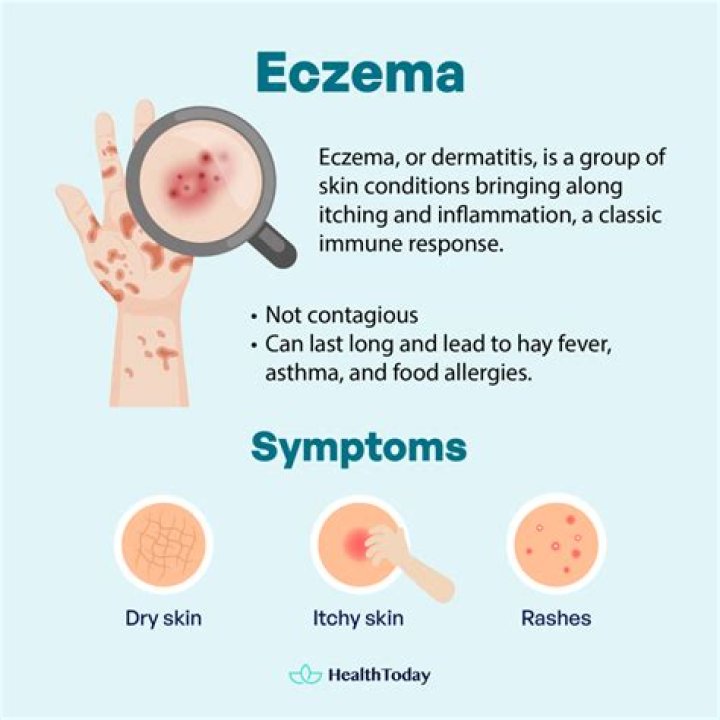
People with eczema tend to have an over-reactive immune system. When triggered by a substance inside or outside the body, the immune system responds by producing inflammation. It is this inflammatory response that causes the itchy, painful, rash-like symptoms common to several types of eczema.
Does eczema cause weak immune system?
No, having eczema doesn't automatically mean you have a weak immune system. It does mean that your immune system is sensitive, often overreacting to things that aren't real threats to your body. Some people with eczema have a primary immunodeficiency disorder that may make them more likely to get infections.Are people with eczema immune to Covid?
There is no evidence to suggest that people with eczema are more likely to develop Covid-19 or to experience a more severe form of the condition if they do develop it.Is eczema An autoimmune diseases?
Even though eczema and autoimmune diseases share commonalities, based on current medical knowledge and definitions, eczema is technically not autoimmune.How can I boost my immune system for eczema?
Here's five common ways to improve your symptoms of eczema.
- Eliminate allergens. Over 80 percent of eczema sufferers have higher than normal antibodies in their system. ...
- Take probiotics for healthy digestion. ...
- Follow an anti-inflammatory diet. ...
- Swap skin care products for manuka honey. ...
- Balance your vitamin intake.
Atopic dermatitis (eczema) - causes, symptoms, diagnosis, treatment, pathology
Can eczema cause other health issues?
A groundbreaking new guideline from the American Academy of Dermatology highlights a range of health issues that may be related to this skin condition — including hay fever, asthma, osteoporosis, and depression.What vitamins help eczema?
Vitamin B12 cream: 1 study found it helped reduce eczema in adults. Vitamin D: Possibly helpful during the winter. Vitamin E: Mild positive effect. Zinc: Failed to make a difference.What immune disorders cause eczema?
Some primary immunodeficiency diseases are, however, associated with more severe eczema. These include WAS, Hyper-IgE Syndrome (HIES), IPEX syndrome, and certain forms of Severe Combined Immune Deficiency (SCID).Is eczema a gut issue?
Is eczema linked to gut health? Yes — research suggests that eczema and gut health are linked. The body contains many species of microorganisms, including bacteria, fungi, and viruses. These organisms have different effects on human health.Is eczema a disability?
If you have eczema to such an extent that you are unable to work, the Social Security Administration (SSA) will grant you disability benefits automatically if you meet the requirements the SSA sets forth in its disability listing called "Dermatitis." Dermatitis is a general term for inflammatory skin conditions, and ...Can a virus make eczema worse?
Skin infections: Bacterial and viral infections of the skin both can bring on eczema flares. Bacteria can secrete toxins into the skin, sparking an immune reaction, which prompts inflammation.Can COVID-19 vaccine cause eczema?
Despite experiencing generalized reactions, neither patient developed serious adverse events after the first or second vaccine dose. Both of these cases suggest that patients who develop generalized eczematous reactions to the Pfizer‐BioNTech COVID‐19 vaccine can safely receive the second dose.Does hand sanitizer make eczema worse?
However, if you have a chronic inflammatory skin condition like eczema (also known as atopic dermatitis) — cleaning your hands can worsen symptoms. Frequent handwashing or use of hand sanitizers dry and irritate the skin and lead to cracks in the skin barrier.Can eczema increase white blood cells?
We found that the patients with atopic dermatitis had significantly higher white blood cell counts, neutrophil counts, lymphocyte counts, NLR, eosinophil counts, and PLT than the healthy controls (Table 1), but there were no statistically significant differences between PLR, RDW, MPV, and RPR of patients and controls.What is the root cause of eczema?
Eczema (atopic dermatitis) is caused by a combination of immune system activation, genetics, environmental triggers and stress. Your immune system. If you have eczema, your immune system overreacts to small irritants or allergens. This overreaction can inflame your skin.Does losing weight help eczema?
Summary. Research suggests that losing excess body weight may help improve eczema symptoms. Regular physical activity can provide additional health benefits, such as stress relief, which may also improve eczema symptoms. When trying to lose weight, it is important to be proactive in caring for the skin.What does turmeric do for eczema?
Research has shown that topical use of turmeric can potentially help improve the symptoms of eczema. Turmeric may improve the production and strengthen collagen, which is one of the building blocks of your skin. Using it on your skin can help promote wound healing and help with the dry, scaly skin caused by eczema.Do probiotics help eczema?
Eczema is a common chronic skin condition. Probiotics have been proposed as an effective treatment for eczema; their use is increasing, as numerous clinical trials are under way.What food triggers eczema?
Some common foods that may trigger an eczema flare-up and could be removed from a diet include:
- citrus fruits.
- dairy.
- eggs.
- gluten or wheat.
- soy.
- spices, such as vanilla, cloves, and cinnamon.
- tomatoes.
- some types of nuts.
How do you calm an overactive immune system?
Do what you can to keep your immune system ready, willing and able by helping it stay quiet when its efforts aren't truly needed:
- Rest and Restore. ...
- Choose Calming Foods. ...
- Commit to Quit. ...
- Turn on Workout Tunes. ...
- Take Care of Your Smile. ...
- Avoid Inflammatory Foods. ...
- Practice Relaxation. ...
- Eat Several Small Meals.