Is eczema linked to other diseases?
Eczema's Link to Food Allergies, Hay Fever, and Asthma
For decades, dermatologists have recognized a connection between eczema and other atopic and allergic conditions. (The word “atopic” itself indicates an association with allergies.)What diseases are related to eczema?
Conditions Related to Eczema
- Asthma. About 20% of adults with atopic dermatitis also have asthma, an allergic condition which causes a person's airways to become inflamed, swollen and narrow. ...
- Allergic Rhinitis. ...
- Food Allergies. ...
- Infections. ...
- Mental Health Conditions. ...
- Other Related Conditions.
What autoimmune disease is associated with eczema?
Conclusion. Our meta-analysis showed that patients with atopic dermatitis were at higher risk of multiple autoimmune diseases including alopecia areata, celiac disease, Crohn's disease, rheumatoid arthritis, systematic lupus erythematosus, ulcerative colitis and vitiligo.Can eczema be a symptom of something else?
Some people's eczema flares up due to allergens like pet dander and dust mites. But lots of things can trigger eczema, including certain fabrics, soaps, and detergents. That means allergies may not be the reason your symptoms get worse. Both eczema and allergies can bring on dry, cracked, reddish skin and itching.Which 2 other conditions are genetically linked to eczema?
While scientists are still learning more about the condition, evidence suggests there is a genetic predisposition and that eczema may be hereditary. Researchers have identified that mutations in KIF3A, FLG, and CARD11 genes are commonly associated with the development of eczema. Other factors can also cause eczema.Atopic dermatitis (eczema) - causes, symptoms, diagnosis, treatment, pathology
What is the root cause of eczema?
Eczema (atopic dermatitis) is caused by a combination of immune system activation, genetics, environmental triggers and stress. Your immune system. If you have eczema, your immune system overreacts to small irritants or allergens. This overreaction can inflame your skin.What triggers eczema in adults?
Common triggers include: irritants – such as soaps and detergents, including shampoo, washing-up liquid and bubble bath. environmental factors or allergens – such as cold and dry weather, dampness, and more specific things such as house dust mites, pet fur, pollen and moulds.Is eczema Autoimmune Related?
For the first time, a team led by researchers at the Icahn School of Medicine at Mount Sinai has proven that atopic dermatitis, also known as eczema, is an immune-driven (autoimmune) disease.Can weak immune system cause eczema?
Is eczema caused by a weak immune system? Eczema isn't believed to be the result of a weak immune system. But researchers don't know exactly what causes eczema, according to the National Eczema Association (NEA). Experts think genes and a variety of triggers are contributing factors.What bacteria causes eczema?
The report, released on JAMA Dermatology, states that the staphylococcal bacteria that live on the skin may be the cause of eczema. Such bacteria produce a biofilm that blocks sweat ducts, which activates molecules in the body's immune system, causing itching and irritation.Is eczema related to gut health?
Yes — research suggests that eczema and gut health are linked. The body contains many species of microorganisms, including bacteria, fungi, and viruses. These organisms have different effects on human health. Most of these microbes live inside the gut, particularly the large intestine.Are eczema and lupus related?
Association between atopic dermatitis and systemic lupus erythematosus. The meta-analysis of case-control studies also showed a significantly elevated odds of SLE among patients with AD compared with individuals without AD with the pooled odds ratio of 1.46 (95% CI, 1.05–2.04).What food triggers eczema?
Some common foods that may trigger an eczema flare-up and could be removed from a diet include:
- citrus fruits.
- dairy.
- eggs.
- gluten or wheat.
- soy.
- spices, such as vanilla, cloves, and cinnamon.
- tomatoes.
- some types of nuts.
Is eczema an illness?
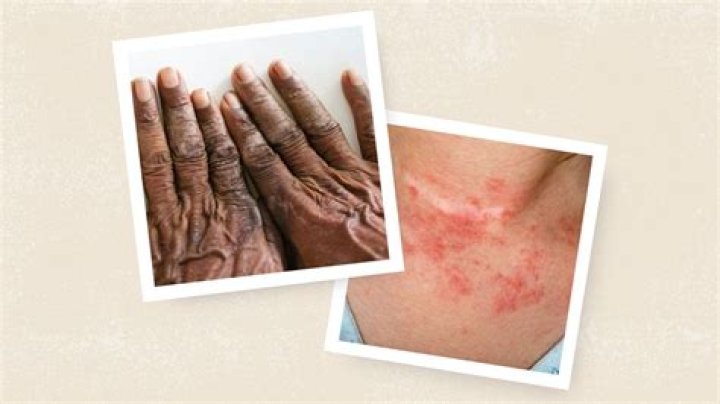
Atopic dermatitis, also known as eczema, is a non-contagious inflammatory skin condition. It is a chronic disease characterized by dry, itchy skin that can weep clear fluid when scratched. People with eczema also may be particularly susceptible to bacterial, viral, and fungal skin infections.Is eczema a disability?
If you have eczema to such an extent that you are unable to work, the Social Security Administration (SSA) will grant you disability benefits automatically if you meet the requirements the SSA sets forth in its disability listing called "Dermatitis." Dermatitis is a general term for inflammatory skin conditions, and ...Is eczema genetic or environmental?
Adolescents and adults can also have eczema. Research indicates that eczema has a strong genetic link. Several genes that affect skin function and the immune system may play a role. Environmental factors and stress can also cause or trigger eczema.Does Covid 19 affect eczema?
Eczema causes red, dry and itchy skin and is linked to asthma, hayfever and food allergies, which are all caused when parts of the immune system are overactive. It is not currently understood how COVID-19 affects people with eczema or whether their usual medication may have an effect on their response to the virus.How can I boost my immune system to fight eczema?
Here's five common ways to improve your symptoms of eczema.
- Eliminate allergens. Over 80 percent of eczema sufferers have higher than normal antibodies in their system. ...
- Take probiotics for healthy digestion. ...
- Follow an anti-inflammatory diet. ...
- Swap skin care products for manuka honey. ...
- Balance your vitamin intake.